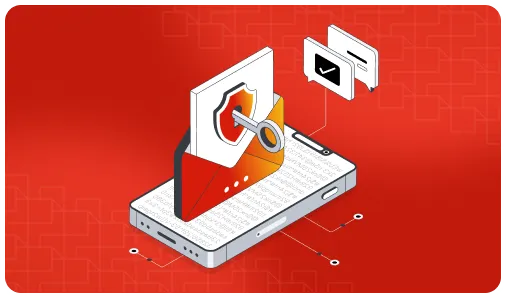
Şifreleme Durumu
- Transit halindeyken: Tüm veriler kullanılarak şifrelenir TLS 1.3 (taşıma katmanı) VE Sinyal Protokolü (uygulama katmanı). Bu, SSL/TLS katmanı ihlal edilse bile verilerin okunamaz kaldığı anlamına gelir.
- Durumda (Sunucu): Geçici, çözülemeyen bloblardan başka bir şey saklamıyoruz.
- Dinlenme halindeyken (Cihaz): Cihazınızdaki veriler şu şekilde şifrelenir: AES-256-GCM SqlCipher aracılığıyla, cihazın güvenli yerleşim bölgesi (Anahtarlık/Anahtarlık) tarafından korunan.
Şifreleme Kapsamı
- Mesajlar ve Ekler: Tamamen E2EE. Sadece gönderen ve alıcı şifresini çözmek için geçici anahtarlara sahiptir.
- Meta veriler: Meta veri pozlamasını en aza indirmek için Mühürlü Gönderen teknolojisi kullanılır. Sunucu biliyor o bir mesaj gönderiliyor, ancak kriptografik olarak gizleniyor kim Mümkün olduğunca kime gönderiyor.
Anahtar Yönetimi
- Mülkiyet: Anahtarları sen kontrol edersin. Özel anahtarlar cihazda oluşturulur ve asla terk edilmez.
- Rotasyon: Biz kullanıyoruz Çift Cırcır Algoritması.
- Oturum Anahtarları: Her bir mesajla döndürüldü. Bir anahtarın güvenliği ihlal edilirse, geçmiş iletilerin (İlet Gizliliği) veya gelecekteki iletilerin (Uzlaşma Sonrası Güvenlik) şifresini çözemez.
- Görevlerin Ayrılması: Letro yalnızca anahtar dizin hizmeti (Genel Anahtarlar/Ön Anahtarların yayınlanması) olarak işlev görür. Özel Anahtarlara erişemiyoruz.